
Beyond the robot: what Ann Droid reminds us about care work

Ann-Marie Towers (Professor of Social Care Research, King’s College London)
Carl Thompson (Professor of Applied Health Research, University of Leeds)
August 2026
Until now humanity's relationship with robots has been complicated. Popular culture has offered everything from helpful droids in Star Wars to the murderous machines of The Terminator, and the unsettling HAL in 2001: A Space Odyssey. Robots are usually portrayed as either loyal assistants or existential threats. Very few seem equipped for the far more challenging task of providing good care and support.
The BBC's new comedy drama Ann Droid follows Sue (Sue, Sue – if you know, you know), a widow whose son buys her a second-hand care robot called Linda. Created by Diane Morgan and Sarah Kendall and set in the very near future, it imagines a society where humanoid robots have become commonplace. Busy families turn to technology to help care for mum and dad. What could possibly go wrong?
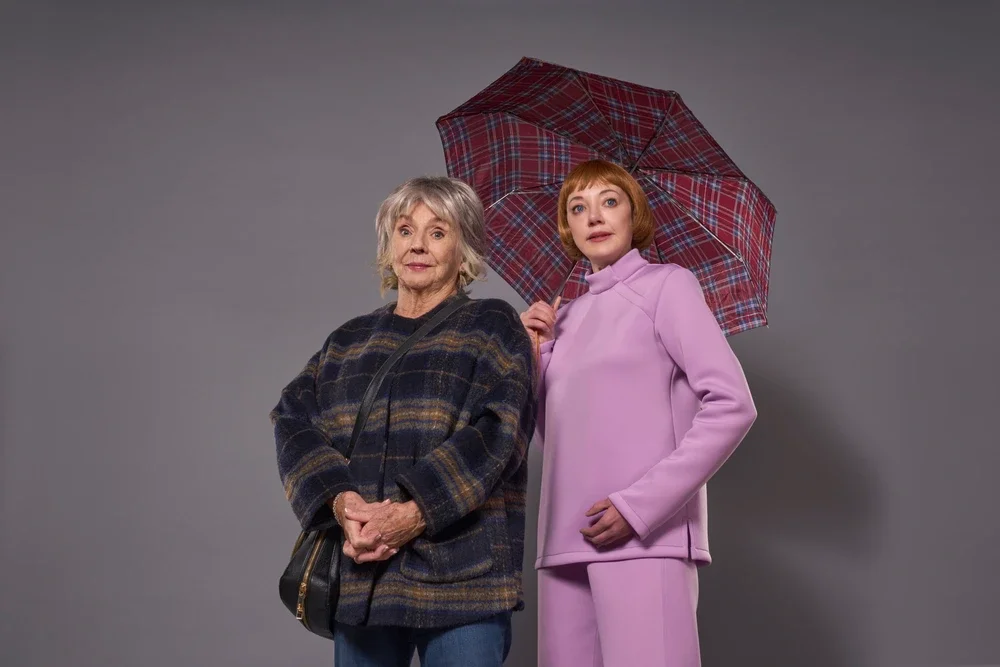
Image credit: BBC / Boffola Pictures / Olly Courtney
Quite a lot, as it turns out. Much of the comedy comes from Linda's awkward attempts to navigate human relationships. But beneath the laughs lies a more serious question about the future of care.
The timing is striking. Social care reform is once again on the political agenda, alongside discussion of workforce shortages, technological innovation and artificial intelligence. In this context, Ann Droid is not really about a robot at all. It is about care and our growing expectation that technology might help address some of the pressures facing families, services and society.
What makes the programme interesting is that Linda does many of the things that matter most in caring relationships. She is present. She listens. She remembers things. She notices when Sue is struggling. Yet Linda does not experience empathy. She processes information and produces behaviours that look like empathy, often with comic results.
But this does not detract from Sue’s experience.
Linda may not genuinely care about Sue, but Sue can still experience companionship, reassurance and a sense of being noticed. If Linda makes her feel safer, less lonely or more visible, it would be dismissive to write those benefits off simply because the robot does not actually share her feelings.
This is where the programme becomes surprisingly thought-provoking. It asks us to consider what we value most in care. Is it the emotional experience of the person giving care, or the experience of the person receiving it?
An uncomfortable possibility emerges. Linda's concern may be simulated, but she may also be more consistently attentive than a human worker operating within an overstretched system. She remembers every preference, never appears rushed and never subtly signals that there are several more visits to complete before lunch.
That is not a criticism of care workers. Quite the opposite.
The prospect of a robot appearing more attentive than a human being tells us less about the promise of technology than it does about the conditions in which care is currently delivered. Care workers are often expected to build meaningful relationships while working in services shaped by time pressures, workforce shortages and limited resources. The problem is not that workers care too little, it’s that the system gives them too little opportunity to demonstrate the care and concern they already possess. The challenge facing social care is not simply how to introduce new technologies. It is how to create the conditions in which caring relationships can flourish.
Technology undoubtedly has a role to play. Digital tools can support independence, improve communication and reduce some of the practical burdens associated with care. Used well, they may help both people drawing on support and those providing it. But technology is most valuable when it supports relationships rather than replacing them.
The programme ultimately reminds us that good care involves much more than completing tasks. It depends on trust, understanding, continuity and human connection. These are qualities that care workers bring every day, even if they are often difficult to measure and too rarely valued.
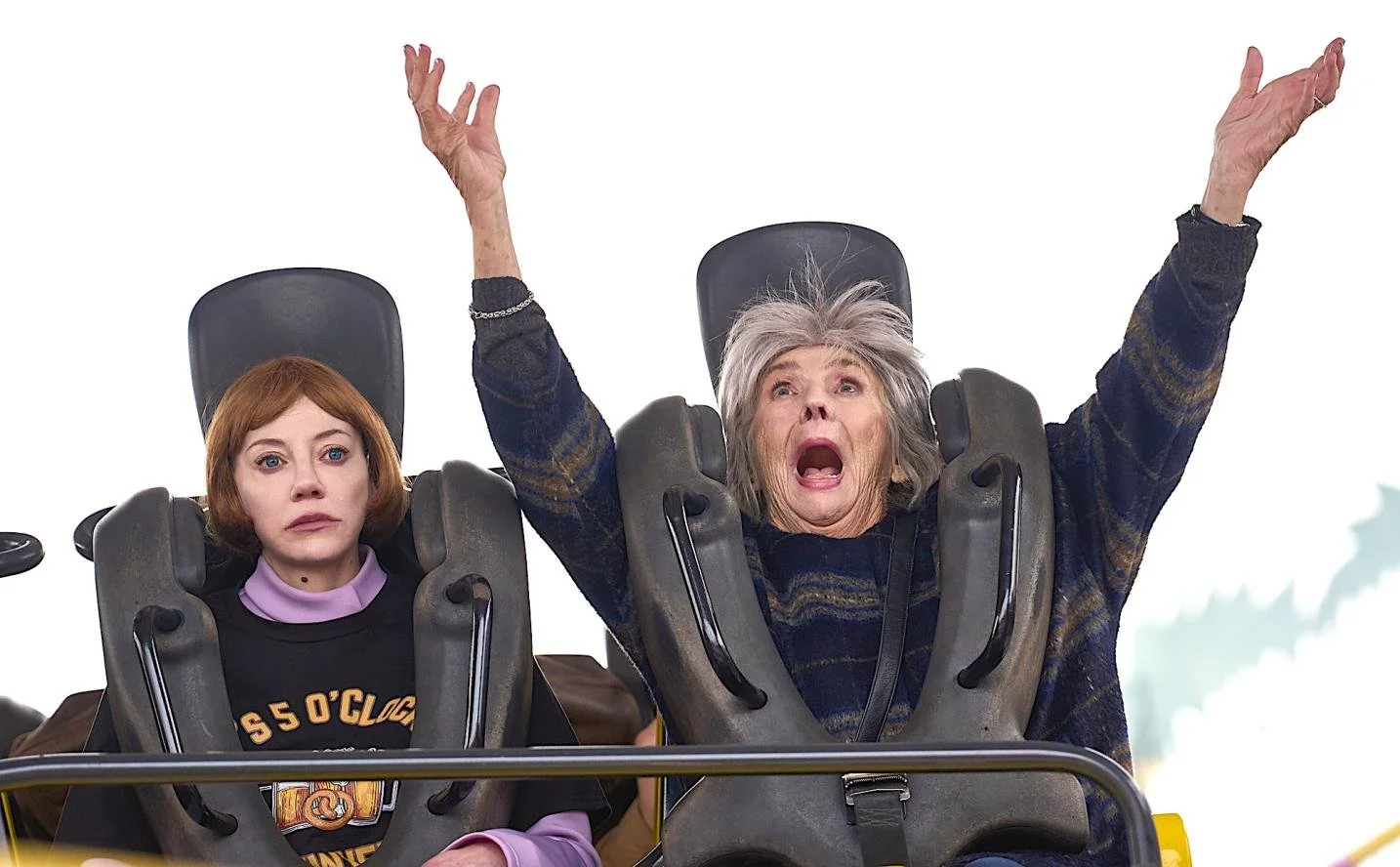
Image credit: BBC / Boffola Pictures / Justin Downing
Perhaps that is why Ann Droid has resonated with so many viewers. Beneath the comedy and futuristic premise lies a simple truth. People want to feel seen, heard and cared for.
The question raised by Ann Droid is not whether robots can care.
It is whether we are prepared to value the people who already do.